Piping Replacement in Denver, CO
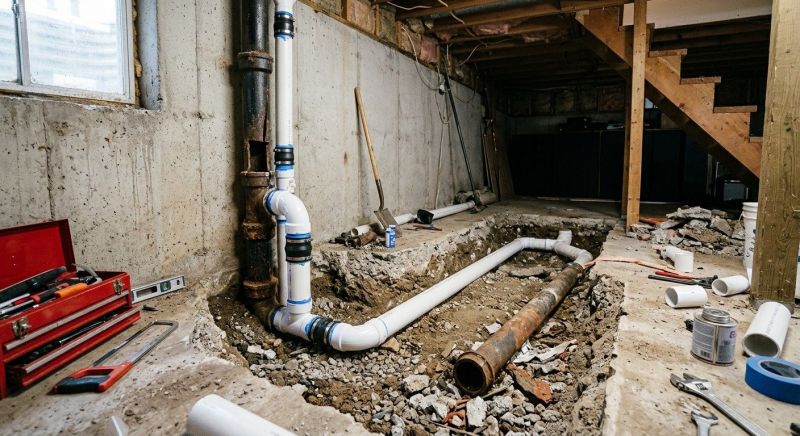
Piping replacement services involve removing and installing new pipes to ensure the plumbing system functions properly and efficiently. This service covers a variety of projects, including replacing aging or damaged water supply lines, sewer pipes, and gas lines. Homeowners often request piping replacement when experiencing persistent leaks, low water pressure, or signs of pipe corrosion, especially in older properties or after severe weather events. Understanding the scope of the project, the types of pipes involved, and potential impacts on the property are common considerations before requesting this service.
Property owners should be aware that piping replacement can vary in complexity depending on the extent of the work needed and the location of the pipes within the property. It’s important to consider the materials used, such as copper, PVC, or PEX, and how they may affect durability and maintenance. Additionally, understanding any necessary permits or inspections required in the local area can help ensure the project proceeds smoothly. Clear communication about the current plumbing system and specific concerns can assist in planning a replacement that meets the property’s needs.
Many property owners in Denver, CO look into Piping Replacement for repairs, replacements, upgrades, and appearance-related improvements.
Signs You Need Piping Replacement
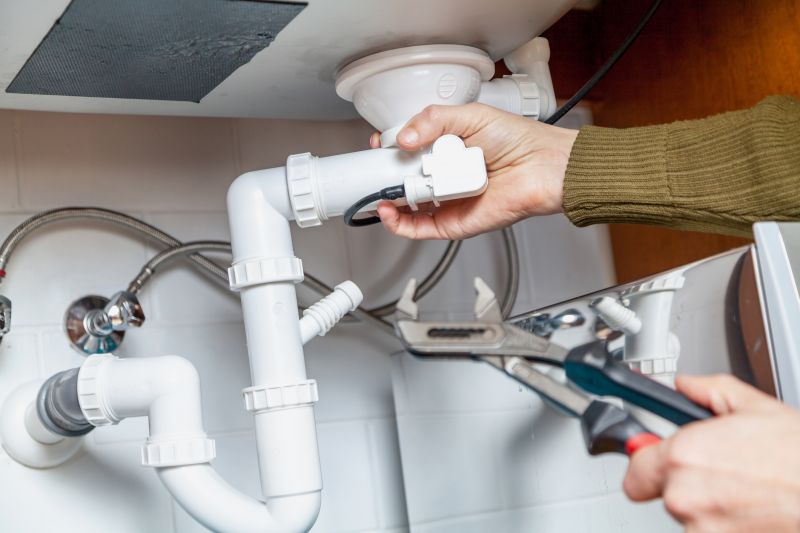
Leaking, low water pressure, or rusty pipes may indicate the need for replacement.
Benefits Of Piping Replacement
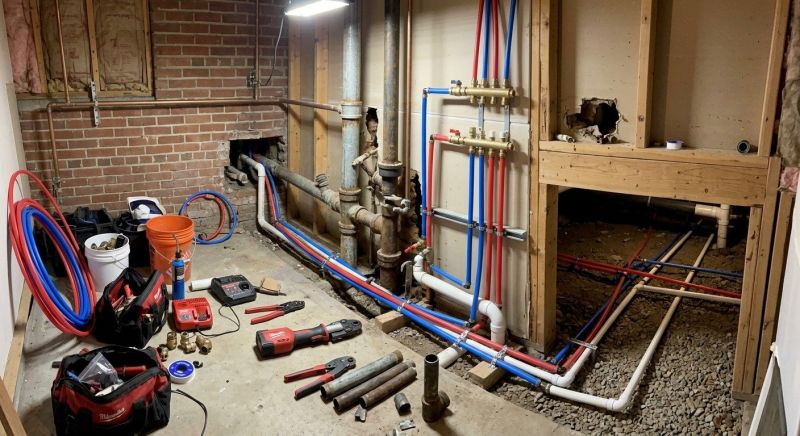
Upgrading pipes can improve water quality and prevent costly water damage.
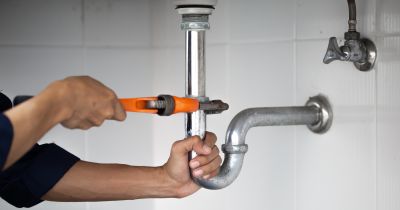
Types Of Piping Materials
Common options include copper, pex, and pvc, each suited for different plumbing needs in denver homes.
Piping Replacement in Denver, CO

Piping replacement services involve removing and installing new pipes to ensure the plumbing system functions properly and efficiently. This service covers a variety of projects, including replacing aging or damaged water supply lines, sewer pipes, and gas lines. Homeowners often request piping replacement when experiencing persistent leaks, low water pressure, or signs of pipe corrosion, especially in older properties or after severe weather events. Understanding the scope of the project, the types of pipes involved, and potential impacts on the property are common considerations before requesting this service.
Property owners should be aware that piping replacement can vary in complexity depending on the extent of the work needed and the location of the pipes within the property. It’s important to consider the materials used, such as copper, PVC, or PEX, and how they may affect durability and maintenance. Additionally, understanding any necessary permits or inspections required in the local area can help ensure the project proceeds smoothly. Clear communication about the current plumbing system and specific concerns can assist in planning a replacement that meets the property’s needs.
Many property owners in Denver, CO look into Piping Replacement for repairs, replacements, upgrades, and appearance-related improvements.
Common Piping Replacement Jobs
Pipe Replacement - involves removing old or damaged pipes and installing new ones to ensure proper plumbing function.
Main Water Line Replacement - updates the primary pipe bringing water into the property for improved flow and reliability.
Fixture Pipe Replacement - replaces pipes connected to sinks, toilets, and appliances to prevent leaks and clogs.
Drain Pipe Replacement - involves updating underground or interior drain lines to reduce backups and odors.
Pipe Insulation Replacement - improves energy efficiency and prevents freezing in cold weather conditions.
Corrosion and Leak Repairs - addresses pipe deterioration and leaks to protect property and maintain plumbing integrity.
Piping Replacement Questions
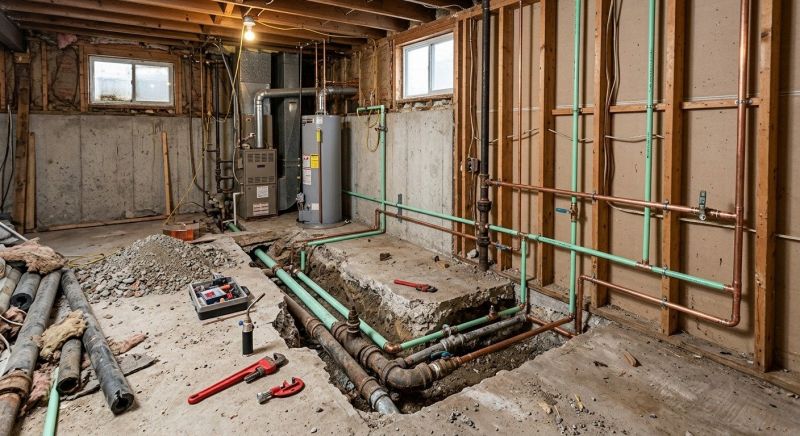
When is piping replacement necessary? Piping replacement is often needed when pipes are corroded, leaking, or no longer functioning properly, which can cause water damage or reduced water quality.
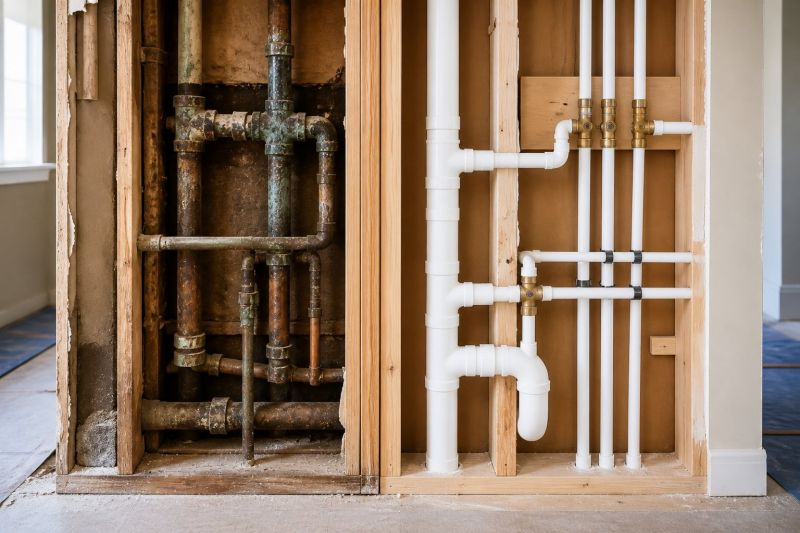
What types of pipes are commonly replaced? Commonly replaced pipes include galvanized steel, cast iron, and outdated copper plumbing that may be prone to corrosion or leaks.
How can property owners identify signs of pipe issues? Signs include low water pressure, visible leaks, discolored water, or unexplained increases in water bills.
What are the benefits of replacing old plumbing? Replacing old pipes can improve water flow, prevent leaks, and reduce the risk of water damage or costly repairs in the future.
Request Piping Replacement in Denver, CO
Use the quote form on this page to share the basics of your project and request more information for the type of work you need.